
Baby and Kids Clothing Guide: Sizing, Fabrics and Growing Room
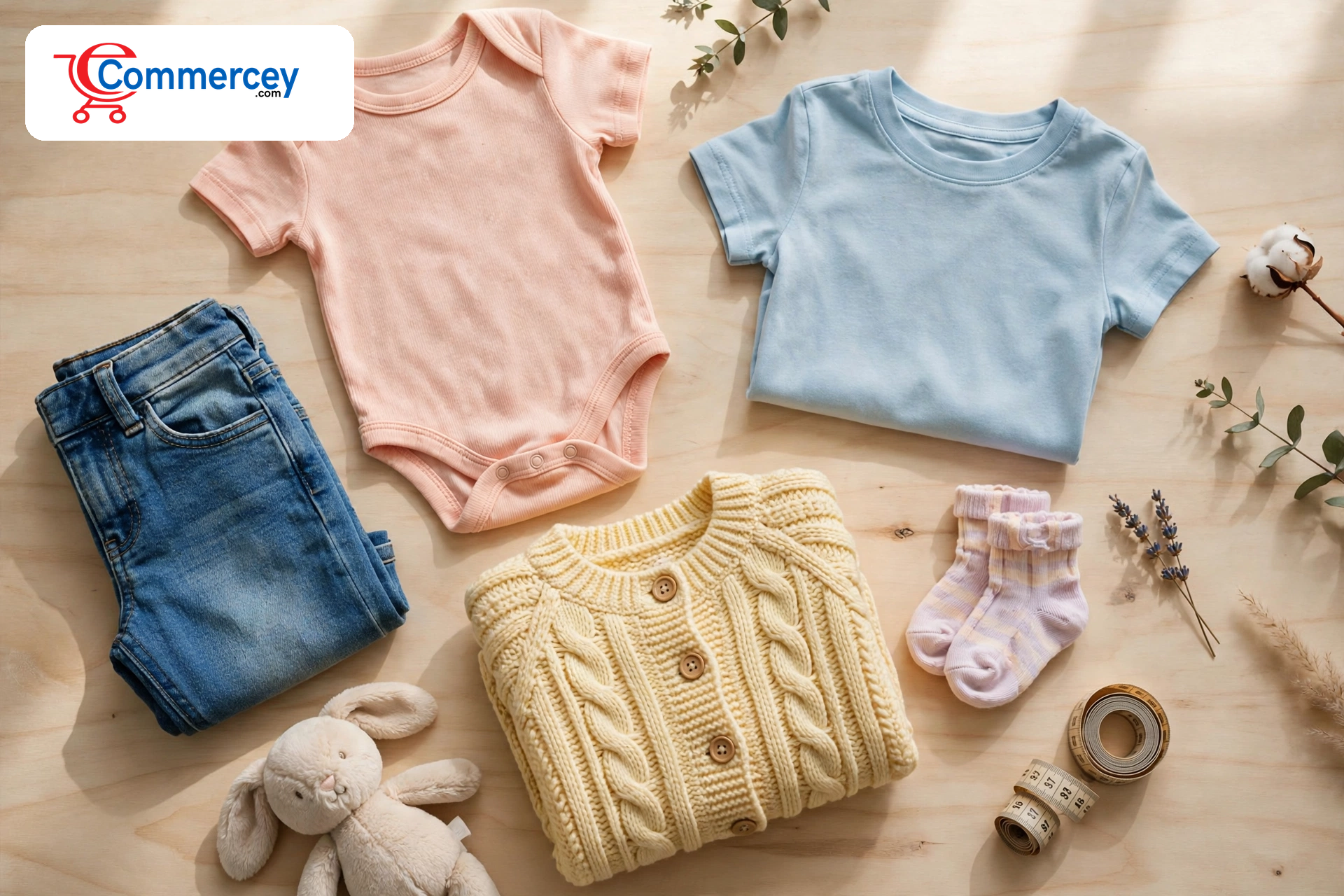
Baby and Kids Clothing Guide: Sizing, Fabrics and Growing Room
Shopping for children is nothing like shopping for yourself. A baby can outgrow a whole wardrobe in three months, a toddler can destroy a pair of trousers in a single afternoon at the park, and a six-year-old will have very firm opinions about what they are willing to wear. This guide to baby and kids clothing is here to take the guesswork out of it: how sizes actually work, which fabrics are kindest to young skin, how to buy clothes with growing room built in, and how to put together a practical wardrobe that lasts longer than one growth spurt.
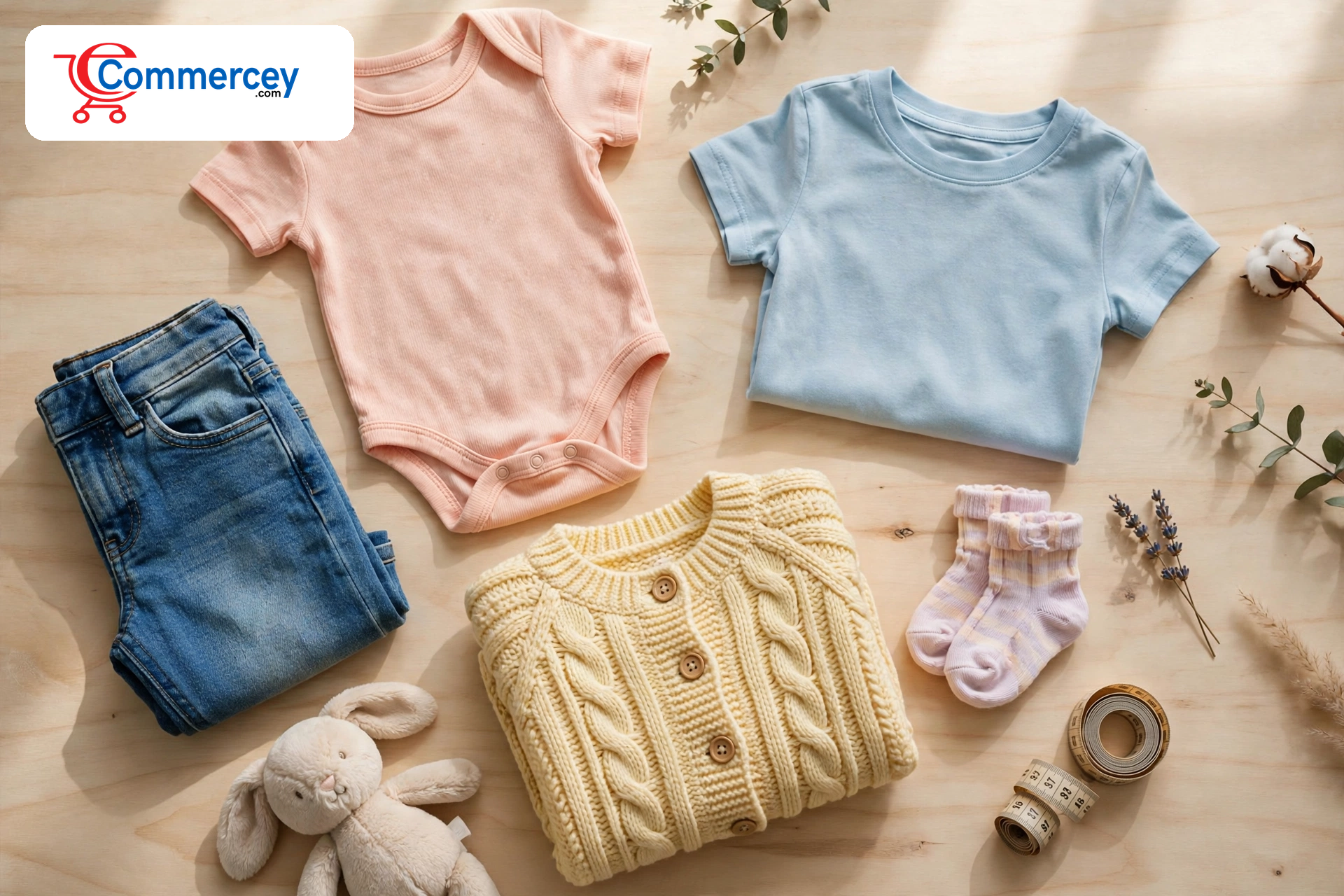
Why Baby and Kids Clothing Shopping Is Different
Adult sizes stay roughly the same from one season to the next. Children’s sizes do not. Babies typically move through three or four sizes in their first year alone, and toddlers can jump a size between autumn and spring. That speed changes everything about how you should shop: buying a full wardrobe in exactly the right size today is a short-lived victory, while buying smart means thinking one season ahead.
Comfort matters more than style at this age, too. A baby cannot tell you that a seam is scratching or a waistband is digging in, and a toddler will simply refuse to wear something that bothers them. Soft fabrics, flat seams, easy fastenings and room to move are not luxuries; they are the difference between an outfit that gets worn and one that sits in a drawer. When you browse the baby and kids clothing collection, look first at how a garment is made, and only then at how it looks.
How Baby and Kids Clothing Sizes Actually Work
Children’s sizing looks straightforward until you try to use it. One brand’s 2T is another brand’s 3, and a size labelled 12 months may fit a nine-month-old perfectly. Understanding the system behind the labels is the fastest way to order the right size the first time.
Age Labels Are a Starting Point, Not a Promise
Most baby clothes are sized by age: 0-3 months, 3-6 months, 6-12 months and so on. These labels assume an average-sized child, and very few children are average in every measurement. A long, slim baby may need the next size up in length while the width still fits, and a sturdy toddler may need a wider cut at the age they are now. Treat the age on the label as a hint, then check the measurements.
Measure First, Then Order
A tape measure takes thirty seconds and prevents most returns. Measure height, chest and waist, and compare the numbers with the size chart for the item you are buying, not a generic chart from memory. If a child falls between two sizes, the right choice depends on the garment: for everyday tops and trousers, size up so there is room to grow; for shoes, coats and anything with a structured fit, stay closer to the current size.
Keep a note of your child’s measurements on your phone and update it every couple of months. It turns online shopping from a guessing game into a quick check.
Fabrics That Are Kind to Young Skin
Children’s skin is more sensitive than an adult’s, and they spend their days crawling, climbing, rolling and sweating in their clothes. The fabric you choose affects comfort, durability and how often you will be doing laundry.
Cotton Is the Everyday Hero
Soft, breathable cotton is the safest default for baby and kids clothing. It lets air circulate, absorbs moisture, washes well and rarely irritates sensitive skin. Look for combed or ring-spun cotton for a smoother finish, and organic cotton if your child has eczema or reacts to ordinary fabrics. Cotton does shrink a little in the wash, so bear that in mind when choosing between two sizes.
Blends That Add Stretch and Strength
A little elastane mixed into cotton gives leggings, jeans and jersey tops the stretch children need to move freely, and helps garments keep their shape after many washes. Fleece and soft knits are ideal for cooler weather, while linen blends work well in summer because they breathe and dry quickly. Avoid stiff, scratchy fabrics for babies and toddlers, and be wary of rough appliqué or raised prints on the inside of a garment, plus anything that needs dry cleaning or delicate hand washing for daily wear. Check for small buttons, loose bows and dangling drawstrings on clothes for babies and toddlers, and choose safer alternatives such as poppers, zips and elastic waists.
Buying for Growing Room Without Buying Too Big
The classic mistake is buying clothes that fit perfectly today and are too small in six weeks. The opposite mistake is buying so big that a child trips over their trousers or a top hangs off their shoulders. The sweet spot is about one size of growing room, chosen thoughtfully.
For trousers and jeans, an adjustable waistband is the single most useful feature you can buy: it lets one pair fit through several months of growth. Cuffs that can be rolled, tops that are slightly long, and dresses with a little extra length all extend the life of an outfit.
Building a Practical Wardrobe, Age by Age
You do not need dozens of outfits. A small, well-chosen set of clothes that mix and match will serve a child better than a wardrobe full of one-off pieces. Start with the basics, then add character pieces on top.
Babies: Soft, Simple and Easy to Change
For babies, the workhorses are bodysuits, sleep suits and soft leggings. Choose envelope necklines or popper fastenings that make nappy changes quick, and keep at least seven bodysuits in rotation so laundry day never becomes an emergency. Hats and socks disappear constantly, so buy spares.
Toddlers: Built for Climbing and Spilling
Toddlers need clothes that can take a beating. Reinforced knees on trousers, stain-friendly dark colours for play clothes, and shoes that are easy to pull on and off will save you daily battles. Elastic waists and simple fastenings help a toddler who insists on dressing themselves.
School-Age Children: Let Them Choose
Once children start school, their opinions matter. Let them pick colours and patterns from a shortlist you have already approved for quality and price. Clothes they chose themselves get worn far more often than clothes chosen for them.
Everyday Essentials Worth Spending a Little More On
Some pieces earn a higher price because they are worn almost every day. A warm, waterproof coat, a pair of shoes that fits properly, and soft pyjamas that wash well are all worth spending more on than a novelty t-shirt that will be outgrown in a season.
Versatile basics are the backbone of any child’s wardrobe: plain t-shirts, leggings, jeans and simple dresses in colours that mix easily. Add a few fun pieces on top, and remember that the wider fashion clothing collection includes styles for the whole family, so you can coordinate outfits or match a child’s new pieces with your own wardrobe.
Washing, Storing and Passing Clothes On
Good clothes last longer with a little care. Wash new clothes before the first wear to remove finishing chemicals, use a gentle detergent, and avoid fabric softener on baby clothes, since it can irritate skin and reduce the absorbency of fabrics. Turn printed tops inside out before washing to protect the design, and fasten zips and poppers so they do not snag other items.
Children outgrow clothes long before they wear them out, which makes hand-me-downs and resale a natural part of the cycle. Sort outgrown clothes promptly, keep the best pieces for a younger sibling or a friend’s child, and store them clean and dry in labelled boxes by size.
And do not forget playtime. Children grow out of their toys just as fast as their clothes, so pairing a wardrobe refresh with a look at the toys and games collection is an easy way to find age-appropriate playthings that match the stage your child is in right now.
Buying baby and kids clothing does not need to be stressful or wasteful. Measure before you order, choose soft fabrics with room to grow, build a small wardrobe of versatile basics, and spend a little more only on the pieces that work hardest. Shop for the child they are becoming, not just the child they are today.
Related Resources
- Baby & Kids — Clothing for babies, toddlers, boys and girls.
- Fashion Clothing — Everyday fashion clothing for women, men and kids.
- Toys & Games — Toys and games for kids of every age.